
The Echoes of War That Would Be Nice to Forget
I started craving Marlboro Reds on February 28th, and couldn’t for the life of me figure out why. I’d stopped smoking somewhere in the middle of the Global War on Terror, and was surprised by the bombardment of ghosts of the past as I watched the news covering casualties. It seemed like just yesterday and, somehow, also a lifetime ago.
Like many within the military community, the current war is not far removed from my daily existence. I work in defense, and have both friends and family deploying to the Middle East. Everyone around me talks of war - the VA doctor, our neighbors, my dog groomer. Most of them have no idea of the realities of war - they’ve never deployed to combat nor received that fateful knock on the door - yet, they casually provide their armchair insights to matters of foreign affairs.
This is when I really start craving a cigarette - the kind that got me through years of empty nights, missed holidays, and endless trips to Capitol Hill advocating for our nation to make good on its promise of quality healthcare, veteran education, and surviving spouse benefits to those who gave so much to our nation during the last war.
It's hard to send America’s best and brightest off to fight in a foreign land. You never get used to them being gone, and the “what ifs” of what could happen stay at the forefront of your mind until they come home. You’d think after going through a 20-year war with loved ones on the frontlines, I’d be used to it; however, on the last day of February, all those old feelings hit like a freight train. Peace - oh so sweet - was short-lived.
The Iraq and Afghanistan wars were long. The vast majority of Americans were far removed from the realities of war, a burden carried by the less than 1%. The valiant few who bore the brunt of that sacrifice existed far away from the 99% who’s only reflections on war were related to how it would impact that weekend’s gas prices.
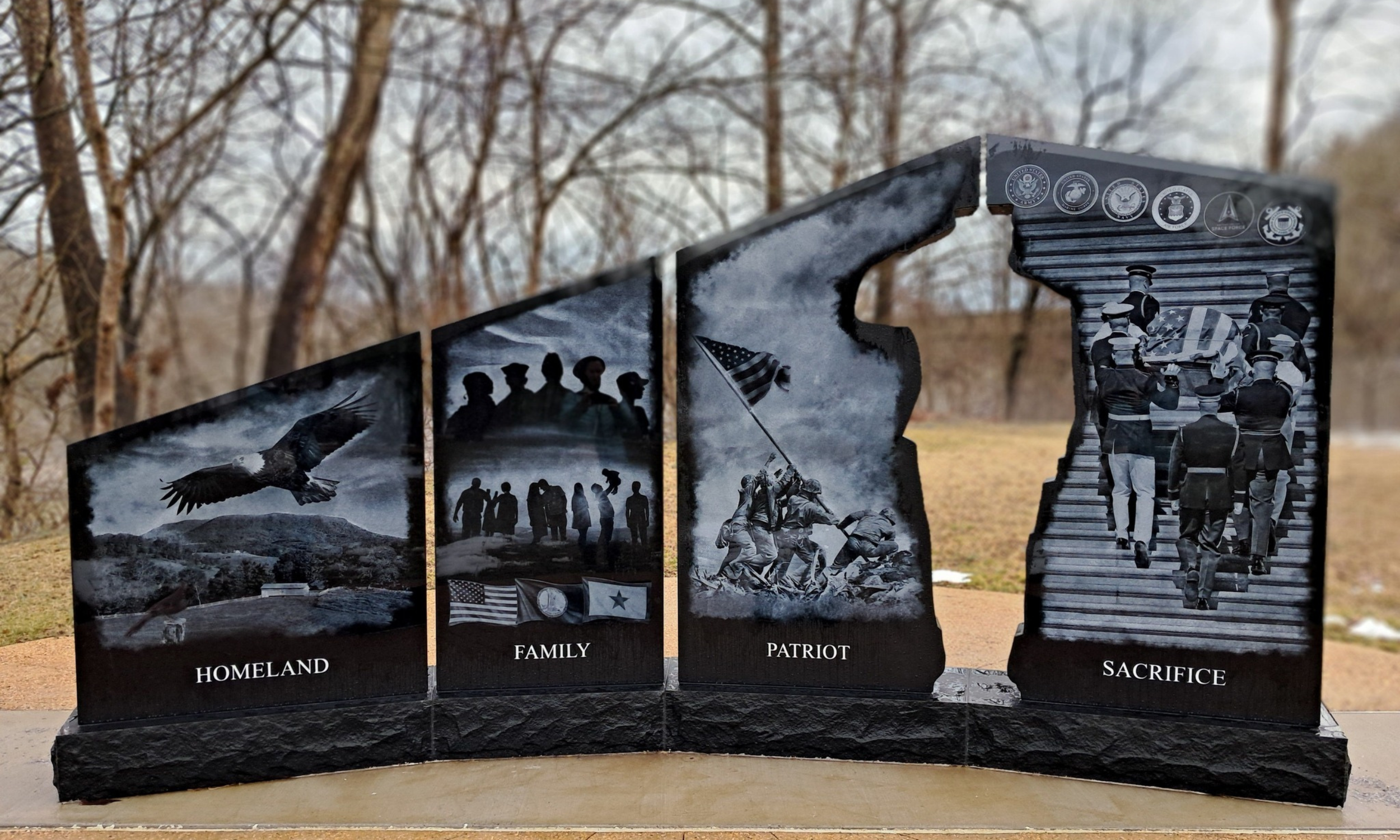
Military service requires sacrifice - sacrifices made by service members and their families. There’s no real equitable compensation for what’s lost during a war - missed incomes, holidays, memories, limbs, loved ones. You just pick up the shattered pieces and try to make a pretty mosaic - like the ones the base counselors used to make grief groups assemble on Tuesday afternoons. Perhaps an aesthetically pleasing garden stone will make us feel better when we remember they’re never coming back?
Current events remind me so much of what happened before. I worry, I hope, I pray. When the hankering for a cigarette hits, I remember all the bad stuff, but I am also reminded of all the people who made such a difference:
The Vietnam veteran who found me sleeping in the stairwell of a VA hospital and took me home for a meal, shower, and a good night’s sleep.
The spouse of a Desert Storm veteran who saw me crying in a military hospital waiting room alone, brought me lunch, and called me every single day until my spouse was discharged.
The Gold Star mom who learned I was struggling to work in agriculture after my spouse was injured, and took a chance on giving me my first job in academia.
The Colonels who took the time to talk to me, mentor me, and provide recommendations for me to pursue positive career opportunities.
These people didn’t have to care or do anything to support my family as we navigated the aftershocks of war, but they did, and it made all the difference. They’d already given more than their fair share to our nation, and listening to me cry over the costs of the latest could not have been a pleasant experience for them. As I’m feeling now, the echoes of new wars have a way of rubbing salt into old wounds; however, who better to help contemporaries than those who’d gone through it themselves?
Those cigarette cravings just won’t stop. Back then, they were the accompaniment to loss and sorrow that I did not think was possible to endure. Today, they serve as a reminder that we know what it’s like to live through war and come out on the other side. And as a result, we carry the responsibility to be the people who make all the difference to the next generation of warfighters and their families as they navigate the realities of war.